How Professional Limousine Services Elevate Corporate Image
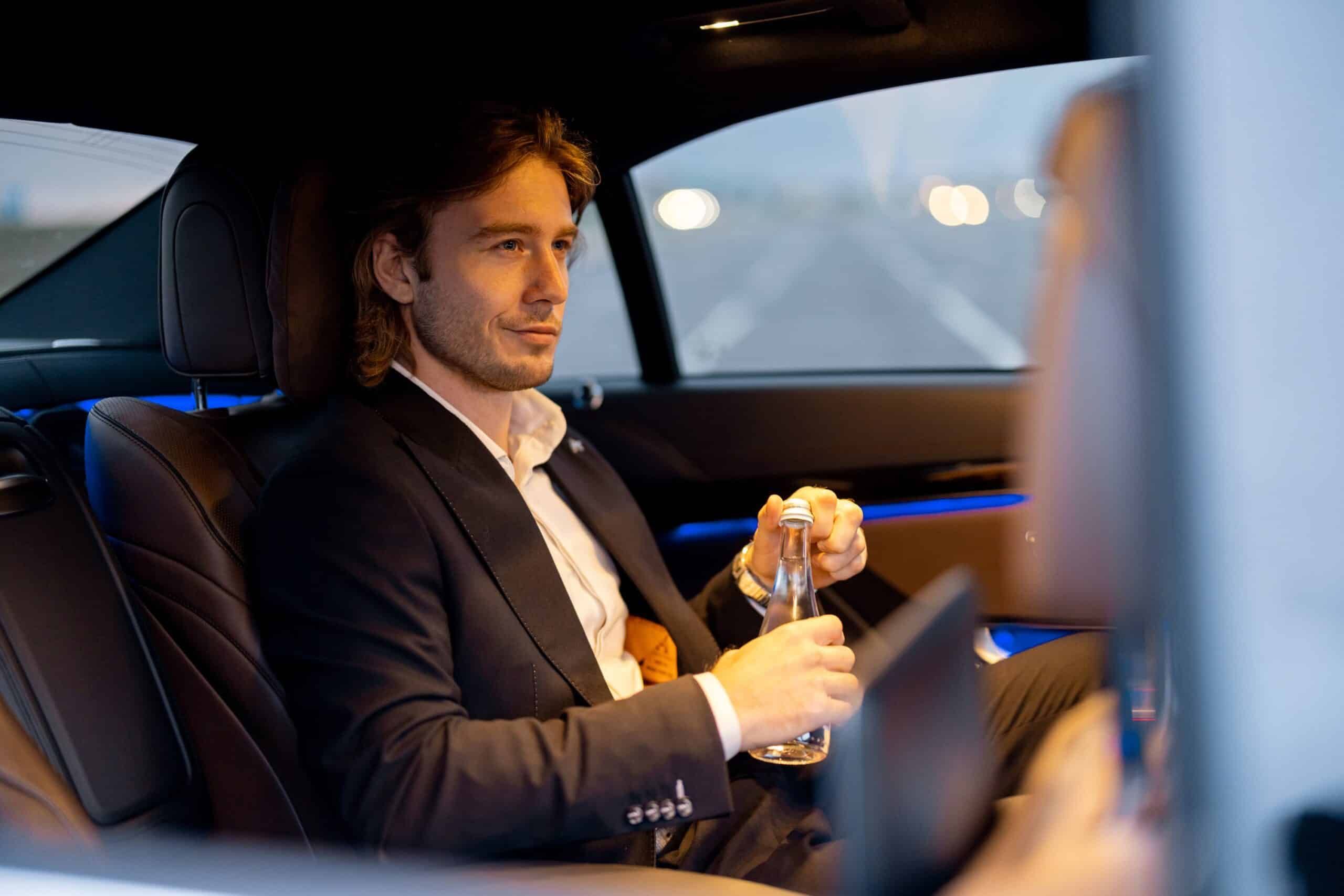
Business image develops long before any dialogue takes place or decisions are made. Each interaction, detail, and experience influences how a company is viewed by clients, partners, and stakeholders. Transportation, while often treated as a logistical necessity, plays a meaningful role in reinforcing professionalism and credibility. Arrival style can influence how meetings are approached and interpreted. From our standpoint, refined transportation is about purposeful presentation rather than excess.
At H.B. Limo Services, transportation is treated as part of a company’s identity, not an isolated service. We support businesses in presenting a polished, reliable, and confident image at each interaction. We create conditions that promote composure and focus, aligning travel with corporate standards. We approach every journey with the understanding that perception matters. This illustrates how professional limousine services enhance corporate image in several ways.
Professional Arrivals as a Reflection of Brand Image
The arrival of an executive or corporate representative sets an immediate tone for any professional interaction. A composed entrance reflects preparation and professionalism. Reliable transportation removes disruptions that could affect confidence. These initial moments often influence how others frame the conversation that follows. We view professional arrivals as subtle yet powerful brand indicators.
By ensuring reliable and structured transportation, businesses demonstrate attention to detail and discipline. Arriving composed instead of hurried improves executive presence and engagement. Such consistency reinforces professional expectations. Repeated positive experiences build trust over time. Effective arrival experiences support a reputation for reliability and competence.
Maintaining Consistency Across Corporate Interactions
Brand image is reinforced through consistent experiences. When presentation varies from one interaction to another, it can dilute brand credibility. Transportation that aligns with corporate standards helps maintain uniformity in how the organization is represented. Each journey supports a consistent professional narrative. Consistency in these experiences supports a cohesive brand narrative.
Limousine services create structured and reliable travel experiences. Each stage of transportation reflects organization and reliability. This reliability minimizes uncertainty and reinforces confidence among those involved. Consistent quality shapes expectations among clients and partners. Such consistency strengthens long-term professional relationships.
How Transportation Improves Executive Readiness
Leadership effectiveness depends on preparation, focus, and clarity. Transportation conditions influence each of these elements. A quiet, private environment supports uninterrupted preparation. Focused preparation enhances decision-making and communication. We recognize that readiness is a critical component of effective leadership.
Limousine interiors are built to support comfort and focus. Leaders can review materials, consider objectives, or recharge between meetings. A calm arrival supports authority and confidence. This presence often shapes how messages are received and interpreted. Executive composure supports a strong professional image.
Demonstrating Respect Through Experience
Demonstrating respect for clients and partners is typically reflected in behavior rather than language. Professional transportation demonstrates attentiveness to time and comfort. It removes unnecessary stress and allows them to focus on the purpose of the engagement. These considerate experiences support deeper professional rapport. We view transportation as a way to express professionalism through service.
When clients feel appreciated, collaboration and productivity improve. Effective travel management creates a favorable impression ahead of meetings. This reflects a company culture built on respect and consideration. Over time, these interactions influence perceptions of dependability and attentiveness. Such impressions play a role in long-term business relationships.
Maintaining Confidentiality and Professional Discretion
Business conversations often include sensitive information that demands discretion. Holding discussions in public or unregulated spaces introduces avoidable risk. A controlled setting allows for honest dialogue and strategic focus. Confidentiality is understood as essential in corporate travel. Safeguarding sensitive information supports overall corporate integrity.
Limousine environments provide privacy that supports confidential discussions. Chauffeurs maintain professional conduct and discretion at all times. Executives can communicate comfortably without concern for privacy. Privacy reinforces trust internally and externally. Discretion plays a key role in maintaining corporate credibility.
Improving Time Efficiency and Productivity
Time efficiency is a cornerstone of professionalism. Unplanned disruptions during travel can affect schedules and morale. Reliable transportation supports smooth transitions between engagements. This efficiency reflects positively on operational discipline. Punctuality is considered a fundamental part of professional image.
Limousine services are designed with reliability and planning in mind. Travel time becomes productive instead of being lost to logistics. Executives can stay focused throughout a full schedule. Continuity enhances communication and results. Efficient use of time strengthens perceptions of competence and control.
Matching Transportation to Corporate Values
Each operational choice reflects an organization’s values. Travel decisions communicate priorities tied to quality and professionalism. Consistency between actions and values reinforces credibility. Credibility is built when values and actions are aligned. Travel experiences should mirror corporate values.
H.B. Limo Services focuses on reinforcing professionalism through thoughtful service. Our role reflects the professional image of our clients. Value-aligned transportation reinforces brand identity. Alignment fosters trust and long-term positive perception. Expressing values through action strengthens corporate image.
Strengthening Internal Corporate Culture
Internal culture plays a significant role in corporate image. How leaders and teams are treated reflects organizational standards. Providing professional transportation can reinforce a culture of respect and excellence. Employees pay attention to leadership priorities. Internal behavior is shaped by what teams observe.
Visible standards in daily operations become part of corporate culture. Transportation that reflects professionalism sets a clear example. Unified standards encourage organizational alignment. A strong internal culture often translates into stronger external representation. Internal confidence supports external credibility.
Transportation as a Strategic Branding Tool
Transportation is frequently overlooked as a branding tool. Yet every corporate-related journey influences perception. Intentional travel management enhances brand experience. Transportation is treated as a purposeful branding decision. These experiences reinforce standards of quality and reliability.
Strategic integration turns travel into a brand asset. Discretion and professionalism are demonstrated through service. H.B. Limo Services supports this strategic approach by focusing on experience and presentation. Transportation then serves a purpose beyond logistics. It becomes website a subtle yet influential element of corporate image.
Building Corporate Image Through Intentional Travel
Sustained experiences shape corporate image more than isolated actions. Travel plays a key role in executive and client experiences. Professional limousine services support readiness, discretion, and reliability. These traits shape professional perception. Intentional travel decisions contribute to lasting impressions.
When businesses approach transportation strategically, they strengthen both internal culture and external perception. Travel experiences express organizational values. By treating travel as part of corporate identity, organizations gain greater control over their image. The impact is subtle but cumulative. Each well-managed experience strengthens corporate image.